Can acupuncture really alleviate seasonal allergies/hay fever/allergic rhinitis? If so, is it actually treating the underlying issue or just providing symptomatic relief? And how does it compare to medications?
I’ll admit, I myself was initially skeptical about acupuncture and allergies. I just didn’t see any obvious physiological mechanisms by which it could treat allergies. But I’ve seen it’s results first hand, and although they vary from person to person, I’ve seen some pretty dramatic success stories!
Let’s discuss the basics: What are seasonal allergies?
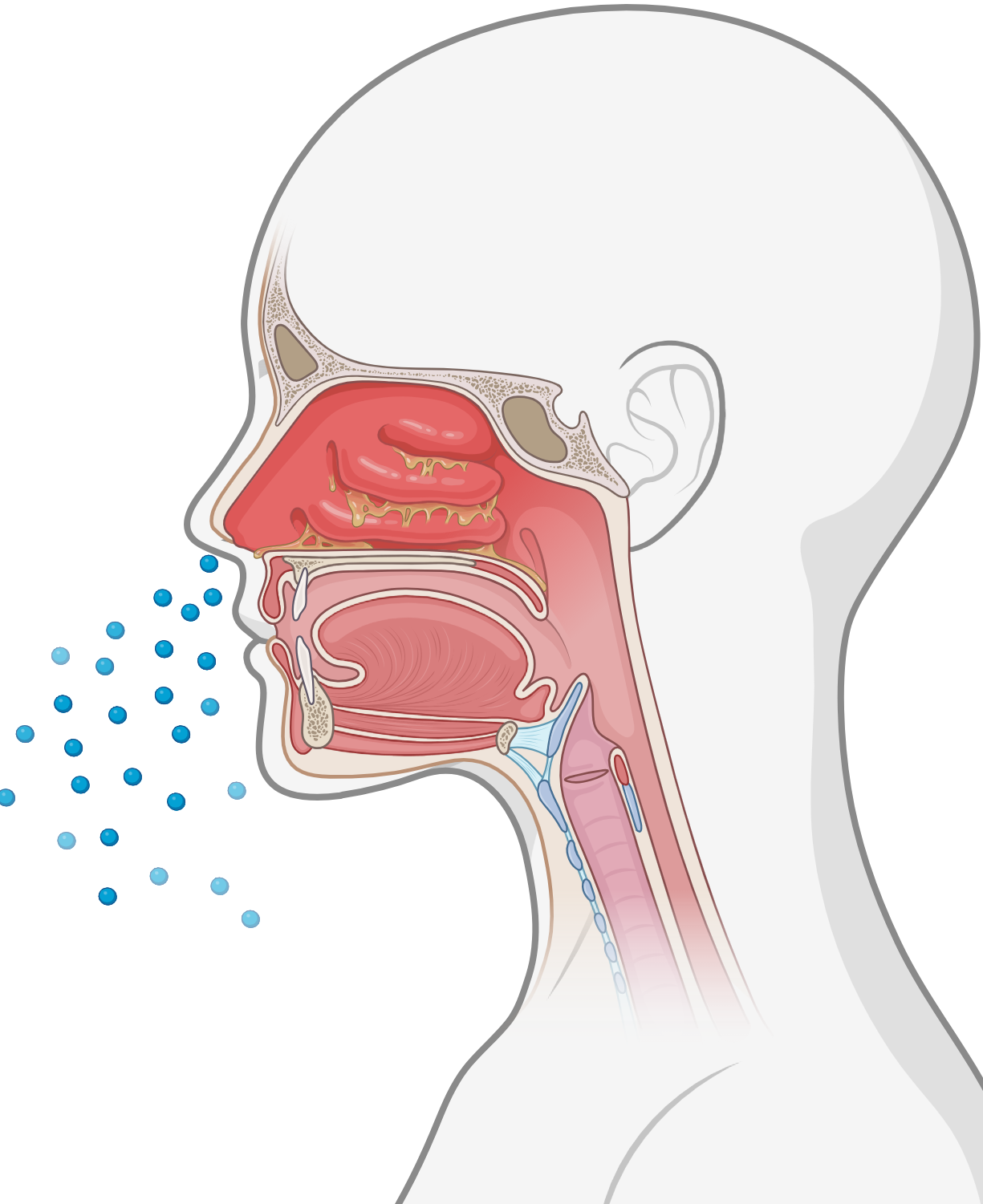
Allergic rhinitis is a chronic, non-infectious, inflammatory nasal disease triggered by allergen exposure in sensitive individuals. It can causes sneezing, congestion, itchy eyes, and runny nose. An increasingly common and costly ailment, allergic rhinitis significantly impacts the quality of life of sufferers and can lead to serious complications like asthma, sinusitis, and conjunctivitis. In Lethbridge and southern Alberta, the prevalence of this condition seems to reach is peak in the spring and early summer months.
How can acupuncture help? What does the science say about acupuncture’s ability to treat seasonal allergies?
- Acupuncture provides more than just symptomatic relief. Evidence indicates that it naturally modulates the response of the immune system itself, reducing the overreactions associated with exposure to otherwise harmless allergens.
- Research by The American Journal of Rhinology & Allergy shows that acupuncture can decrease the severity of symptoms seasonal allergies like sneezing, congestion, runny nose, and sinusitis.
- Unlike many medications, acupuncture decreases symptoms of allergies by addressing the underlying dysregulation of the immune system and not merely suppressing the symptoms themselves. Some studies suggest it may be even more effective than medications at managing allergic rhinitis, and it does so without any accompanying side effects.
- Many allergy medications come with unwanted side effects, are unsafe for long-term use, or may even pose major health risks to critical organs like the heart. Compared to these medications, acupuncture has the advantages of safety, effectiveness, and the absence of obvious adverse reactions.
- Acupuncture can be used as a replacement on an enhancement for conventional medications, meaning that it can be integrated into a complete allergy-management regimen.
- systematic reviews have even indicated that acupuncture therapy has a higher efficacy relative to western medicine.
The bottom line:
Systematic reviews have even indicated that acupuncture has a higher efficacy relative to western medicine! That being said, acupuncture can be used as either as a replacement OR an enhancement for conventional medications, meaning that it can be integrated into a complete allergy-management regimen as desired or required on an individual basis.
How my treatments are different:
My acupuncture treatments are not “cookie cutter”, they are customized to you. As such, we may incorporate a diverse array of adjunct modalities, such as:
- Cupping Therapy can alleviate seasonal allergies by boosting your immune and respiratory systems. The suction stimulates key areas to relax chest and rib muscles, improve blood and lymph flow, and loosen mucus. It also reduces sinus inflammation and promotes the efficient removal of stagnant blood and toxins from the body.
- Cold Laser Therapy can 1) Reduce Inflammation: The light energy penetrates tissues at the cellular level to help reduce local swelling and inflammation in the nasal mucosa. 2) Calm Immune Response: Studies suggest it may help suppress specific antibodies and inflammatory cells associated with allergic reactions. 3) Promote Healing and may help dampen your body’s exaggerated response to pollen or other allergens.
Ultimately, better tools and techniques mean better value and better results that you simply won’t find anywhere else. When you invest in your health with me, I invest in you.
Where to start and what to expect:
Start by booking an Initial Consultation. We will discuss your options and come up with a treatment plan that best suits your schedule and individual needs. The best time to start treating seasonal allergies is just before allergy season begins so that we can prevent them from becoming a problem. However, even if your allergies are already in full bloom, rest assured that we can come up with a treatment plan and regimen that can get you feeling your best!